Cabin & Comfort
Close callPassport TrailSport
Closely matched: both come with leatherette seats, heated front seats, and dual-zone climate control.
Before you compare
TrailSport vs TRD Sport, compared on verified specifications and price.
The TrailSport and TRD Sport are closely matched on price: $48,650 vs $48,750.
At a glance
If you're shopping the Passport, the Passport TrailSport is the fit this site recommends — the two are closely matched on cabin & comfort, price & value and performance; the 4Runner TRD Sport leads on fuel economy and cargo & daily use, so choose it if those matter most.
Close call — closely matched on price: $48,650 vs $48,750.
Close call — closely matched on power: 285 hp vs 278 hp.
4Runner TRD Sport returns 22 mpg combined vs 20 mpg.
Head to head
The verified differences most likely to decide it — each shown side by side, with the winner called out.
Closely matched: both come with leatherette seats, heated front seats, and dual-zone climate control.
The 4Runner TRD Sport delivers lower fuel costs and fewer stops at the pump.
Closely matched: $48,650 vs $48,750.
The 4Runner TRD Sport makes everyday hauling and road trips easier with more cargo room.
Closely matched: 285 hp vs 278 hp.
The TrailSport and TRD Sport are closely matched on price: $48,650 vs $48,750.
On verified numbers, the TRD Sport leads in torque, combined mpg, and cargo volume. What the numbers actually mean for you here: the TRD Sport's combined mpg edge (22 vs 20 mpg) means fewer stops at the pump and lower running costs over years of ownership, the TRD Sport's torque edge (317 vs 262 lb-ft) is felt most in everyday, low-speed response, and the TRD Sport's cargo volume edge (90.2 vs 83.8 cu ft) is what decides how it handles road trips, gear, and family duty.
When it matters most: if your commute is long, the TRD Sport's combined mpg edge (22 vs 20 mpg) is worth weighting heavily; if you regularly carry more than a passenger or two of gear, the TRD Sport's cargo volume edge (90.2 vs 83.8 cu ft) may decide it.
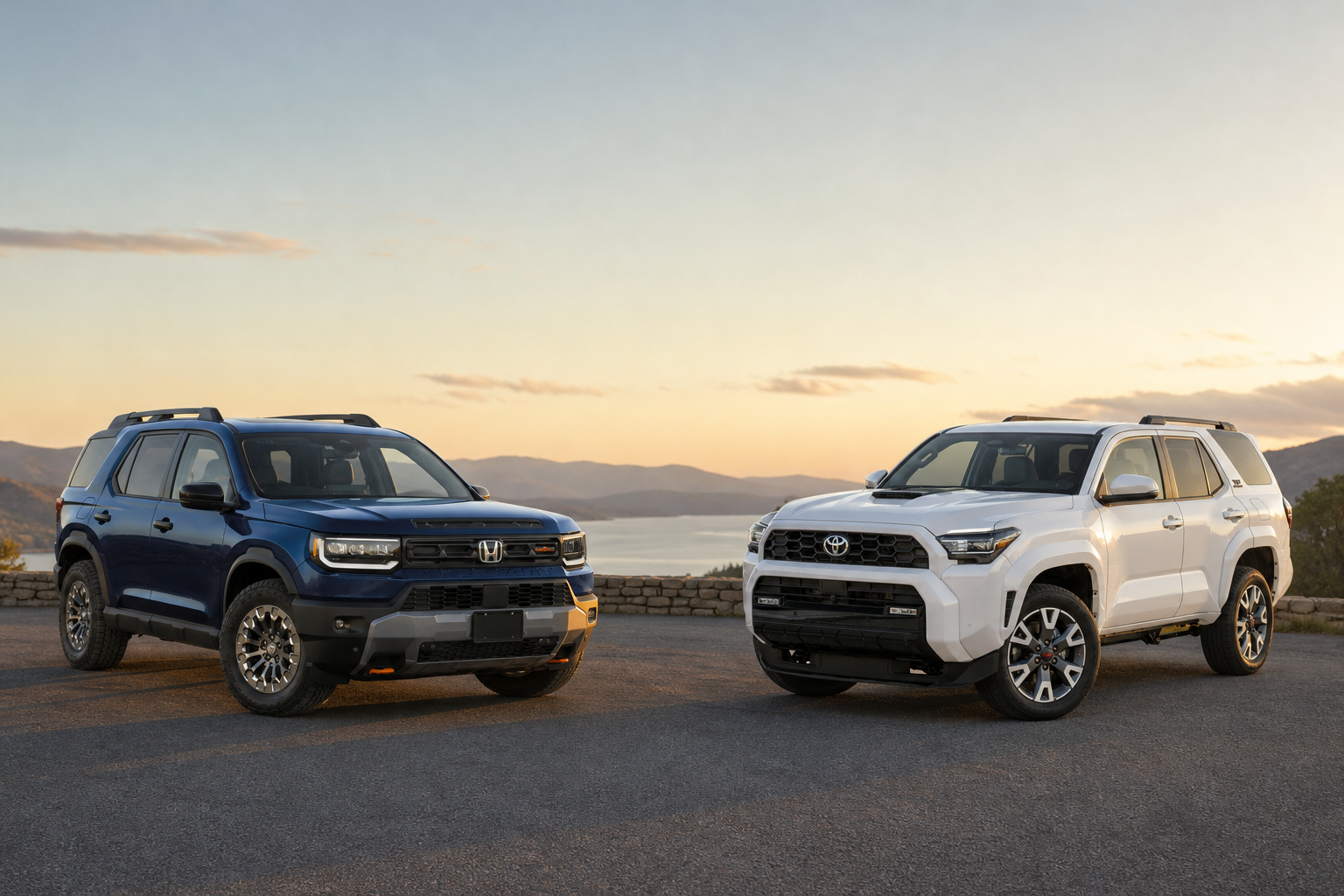
Visual comparison
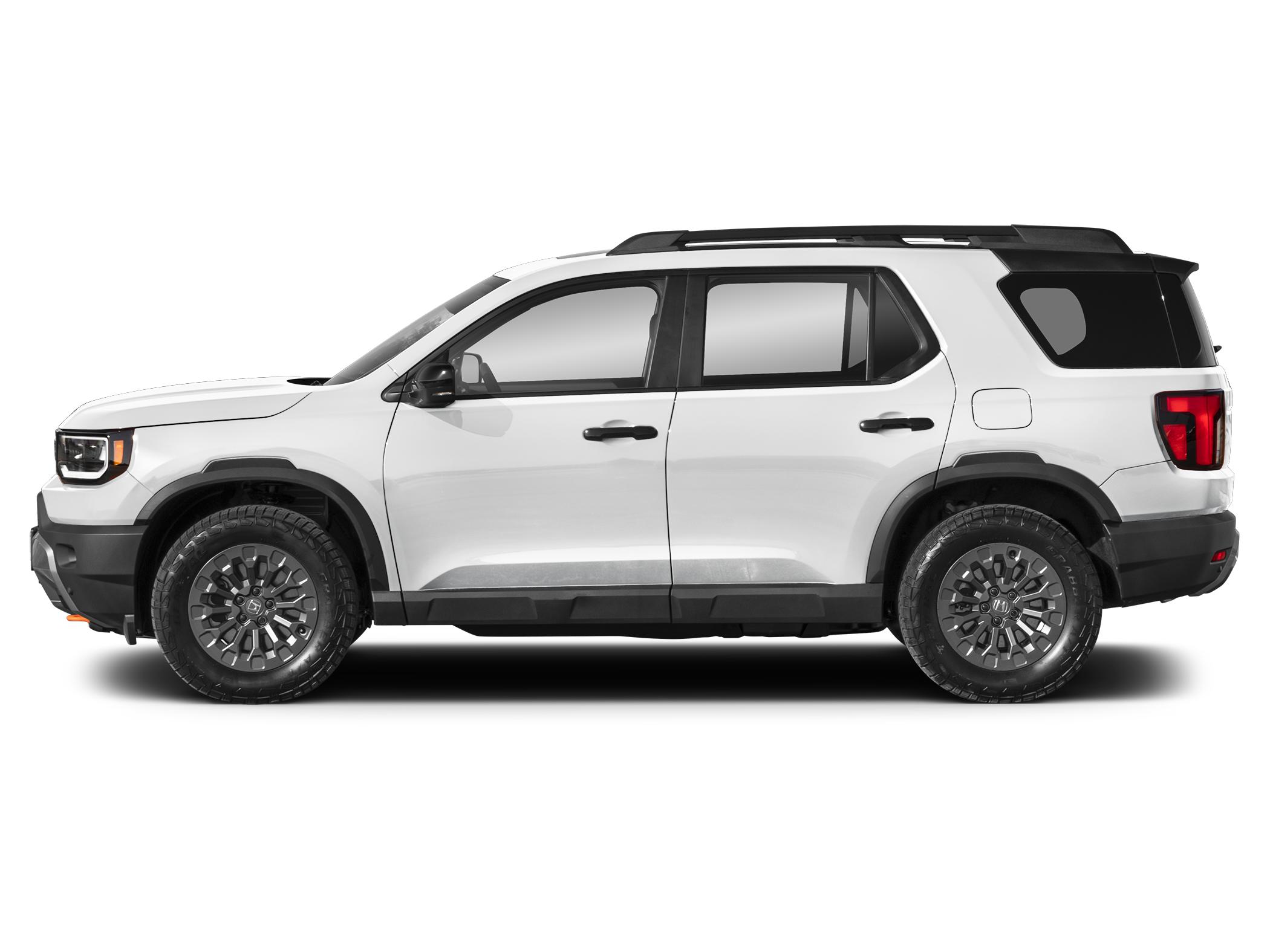
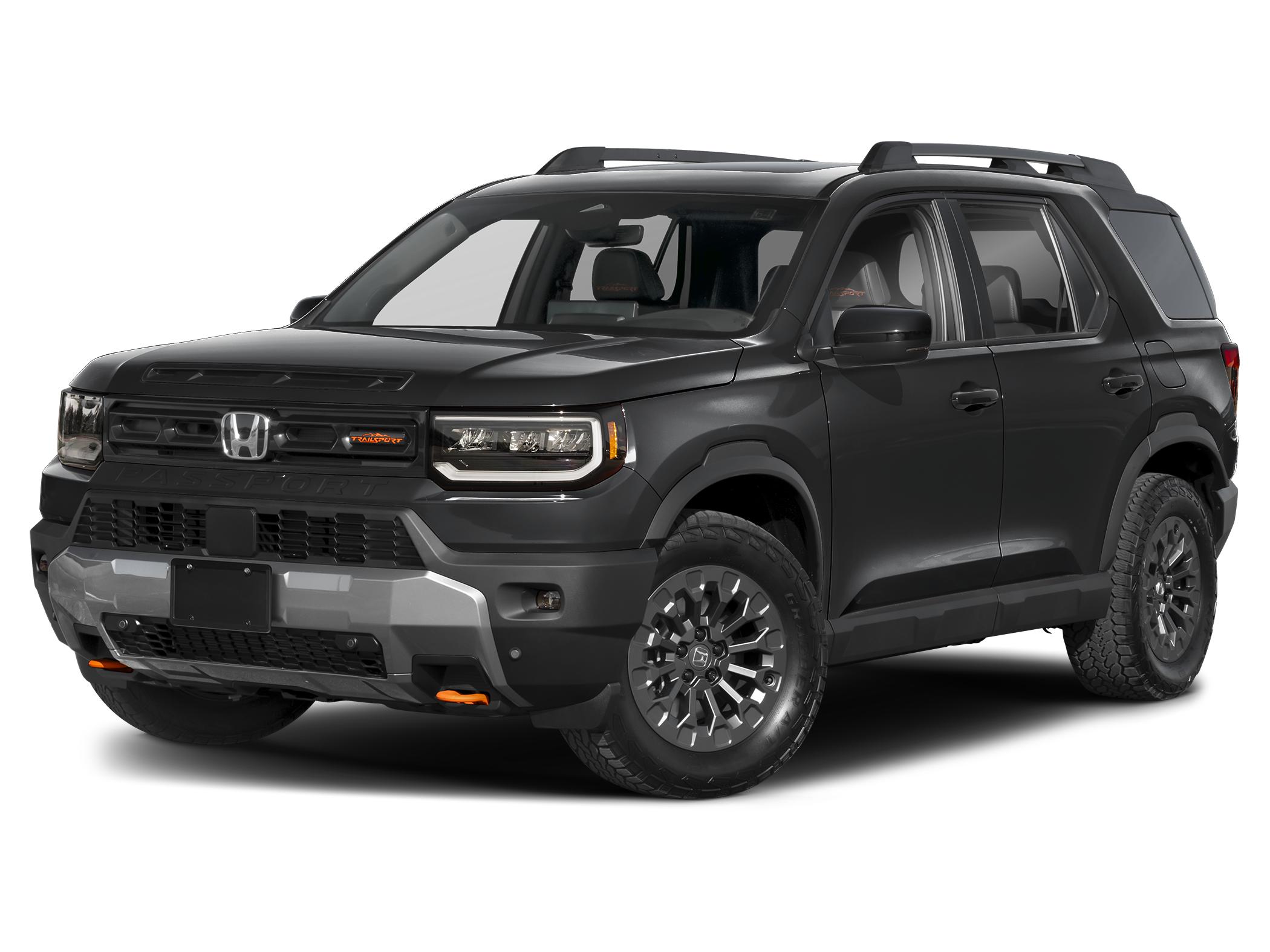
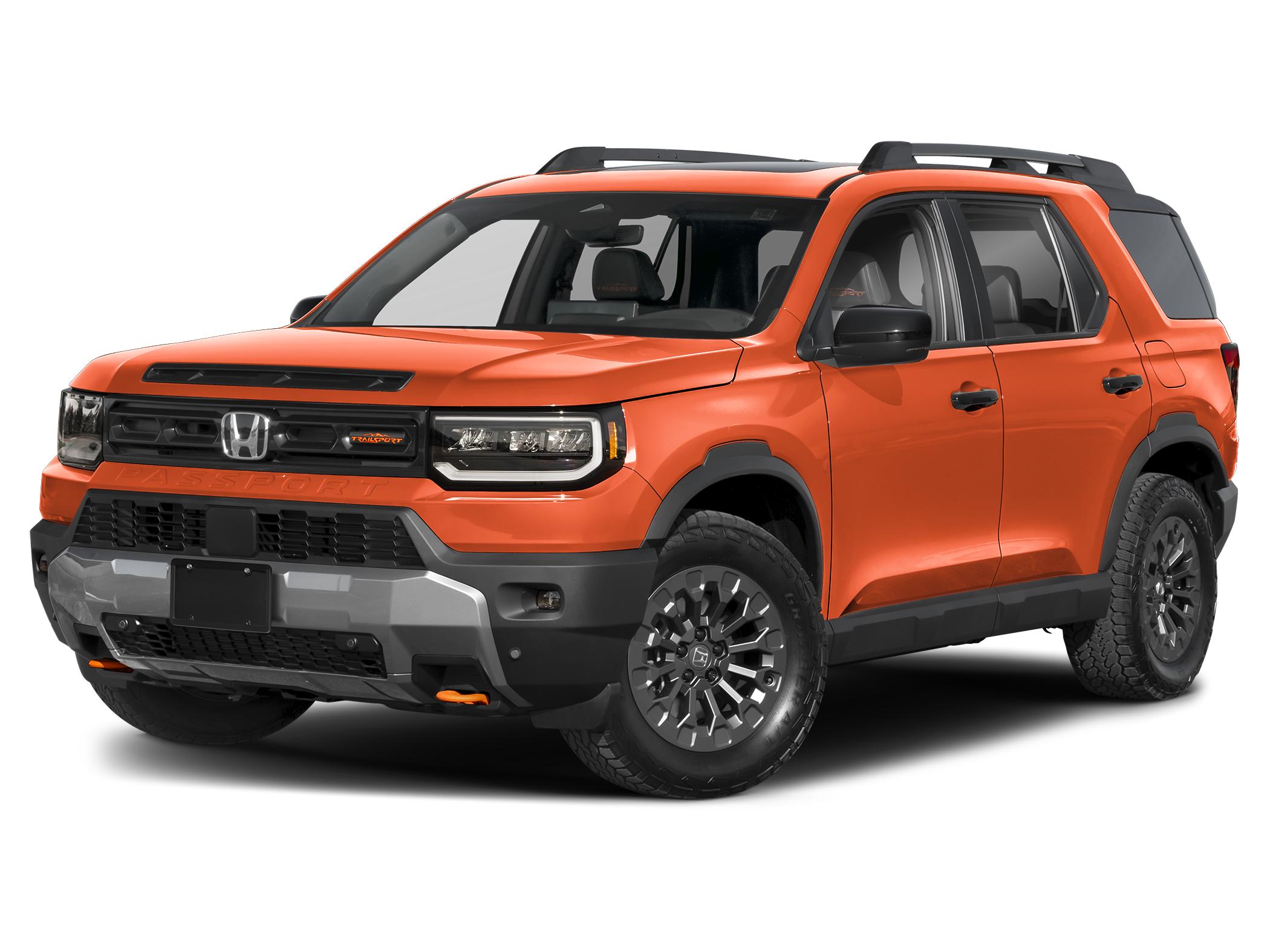
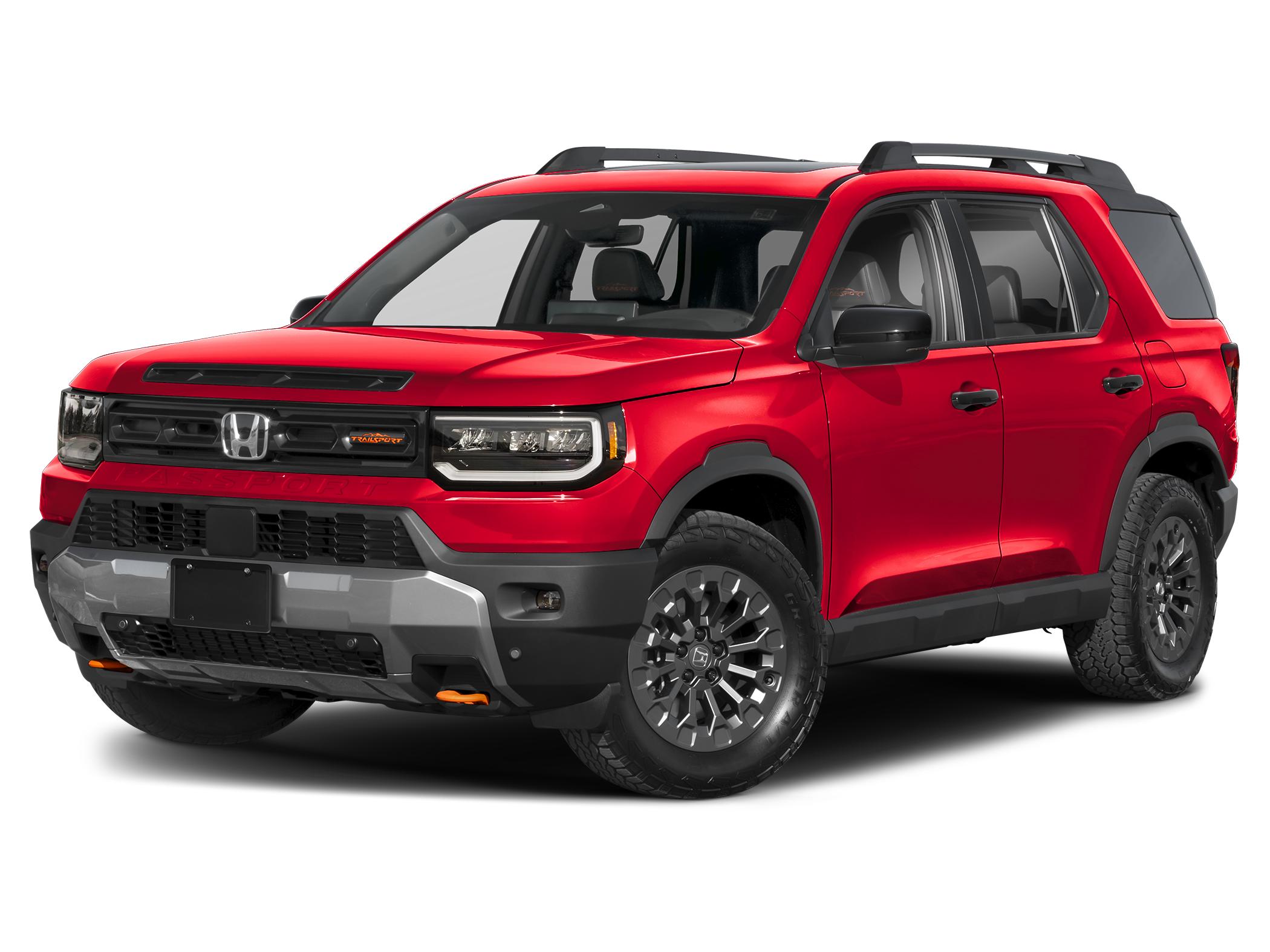
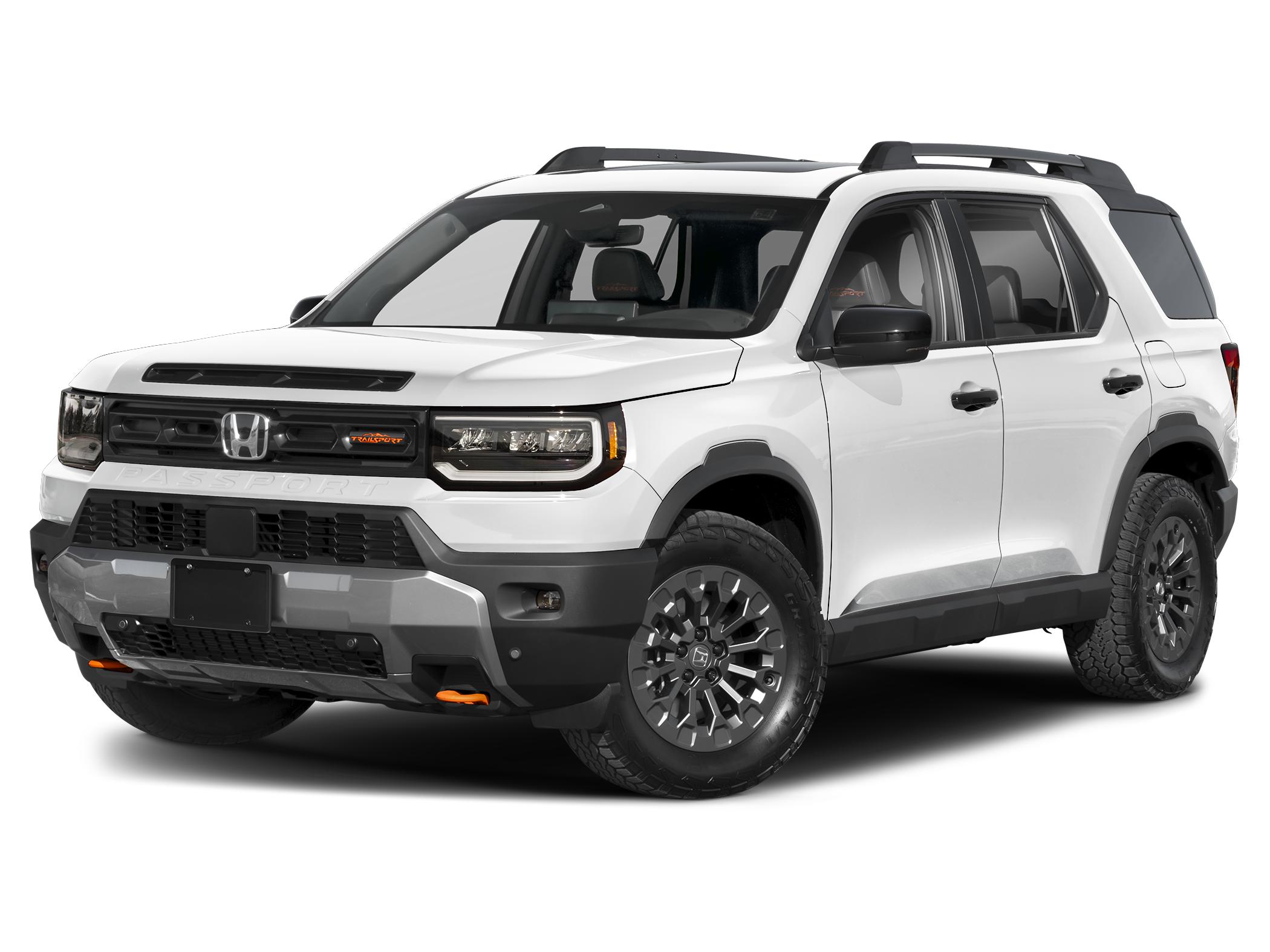
Passport TrailSport
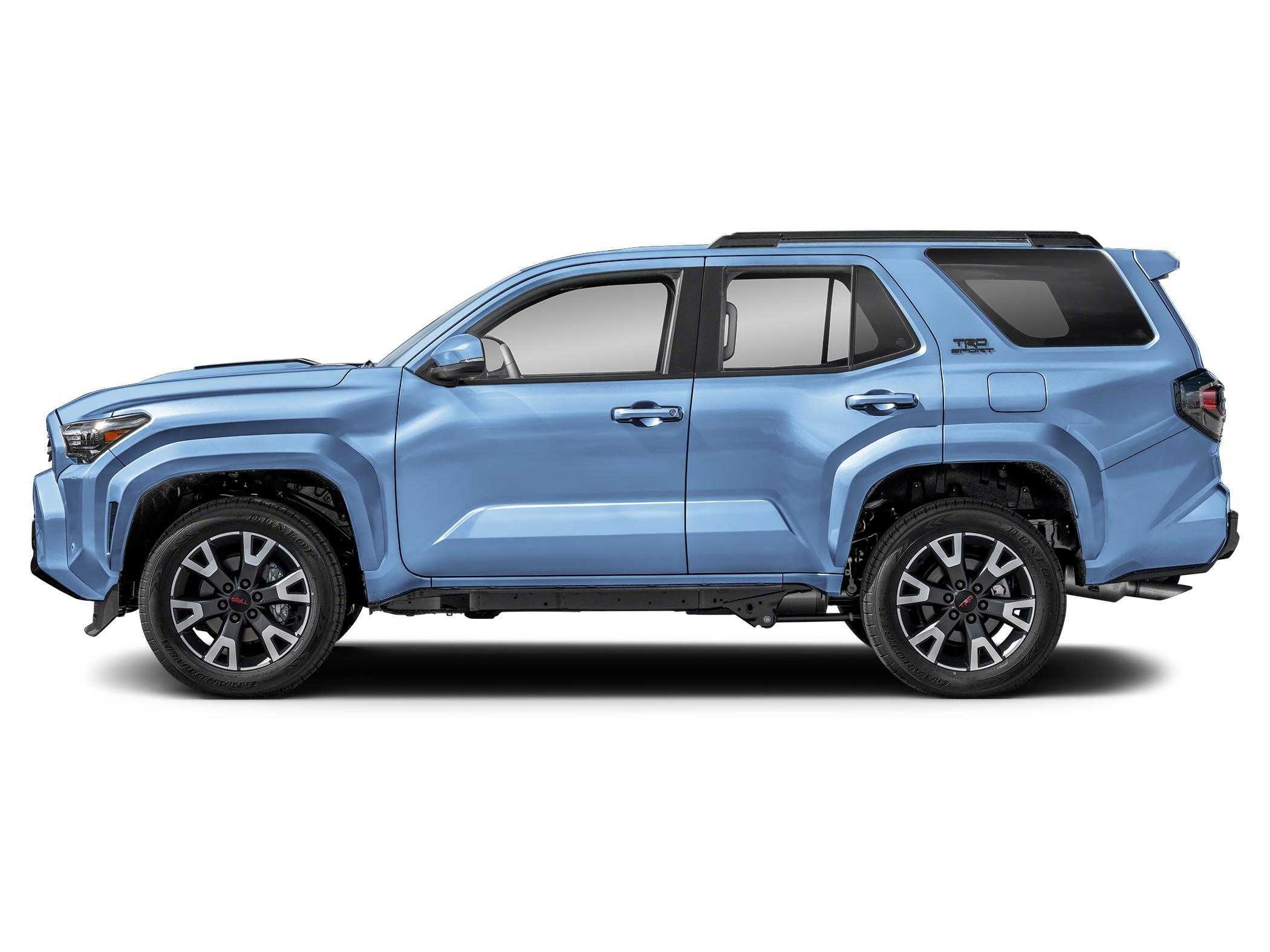
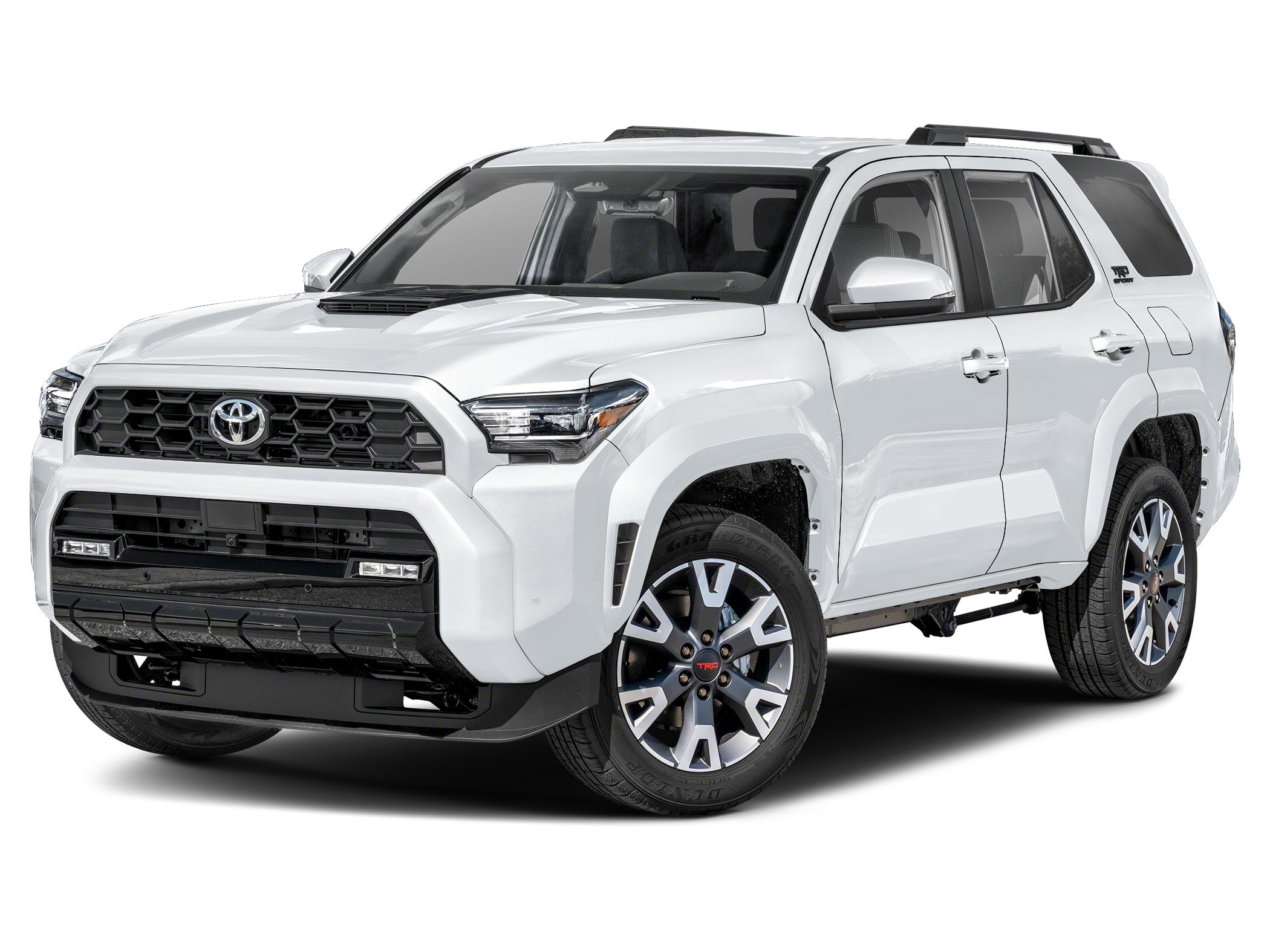
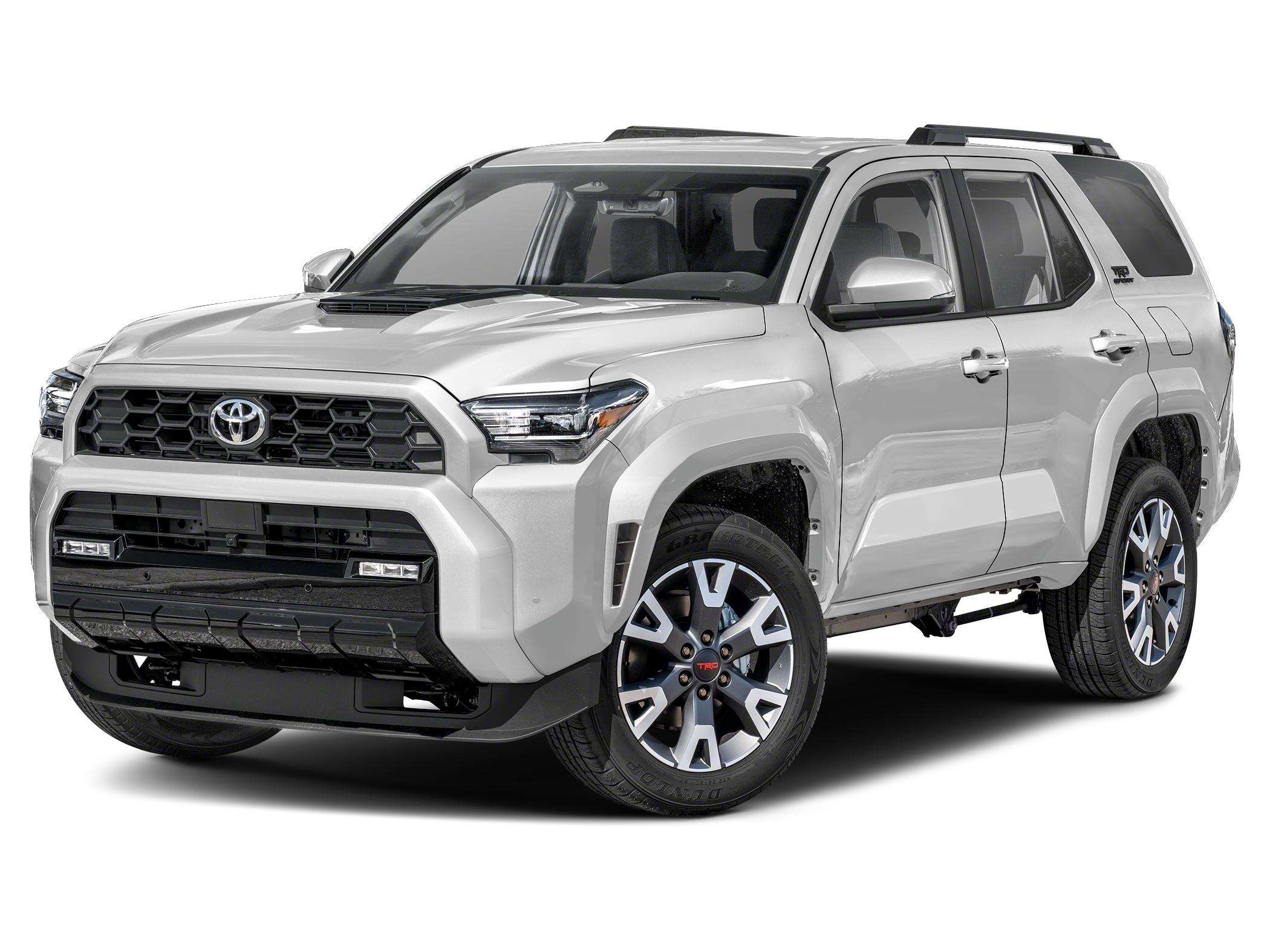
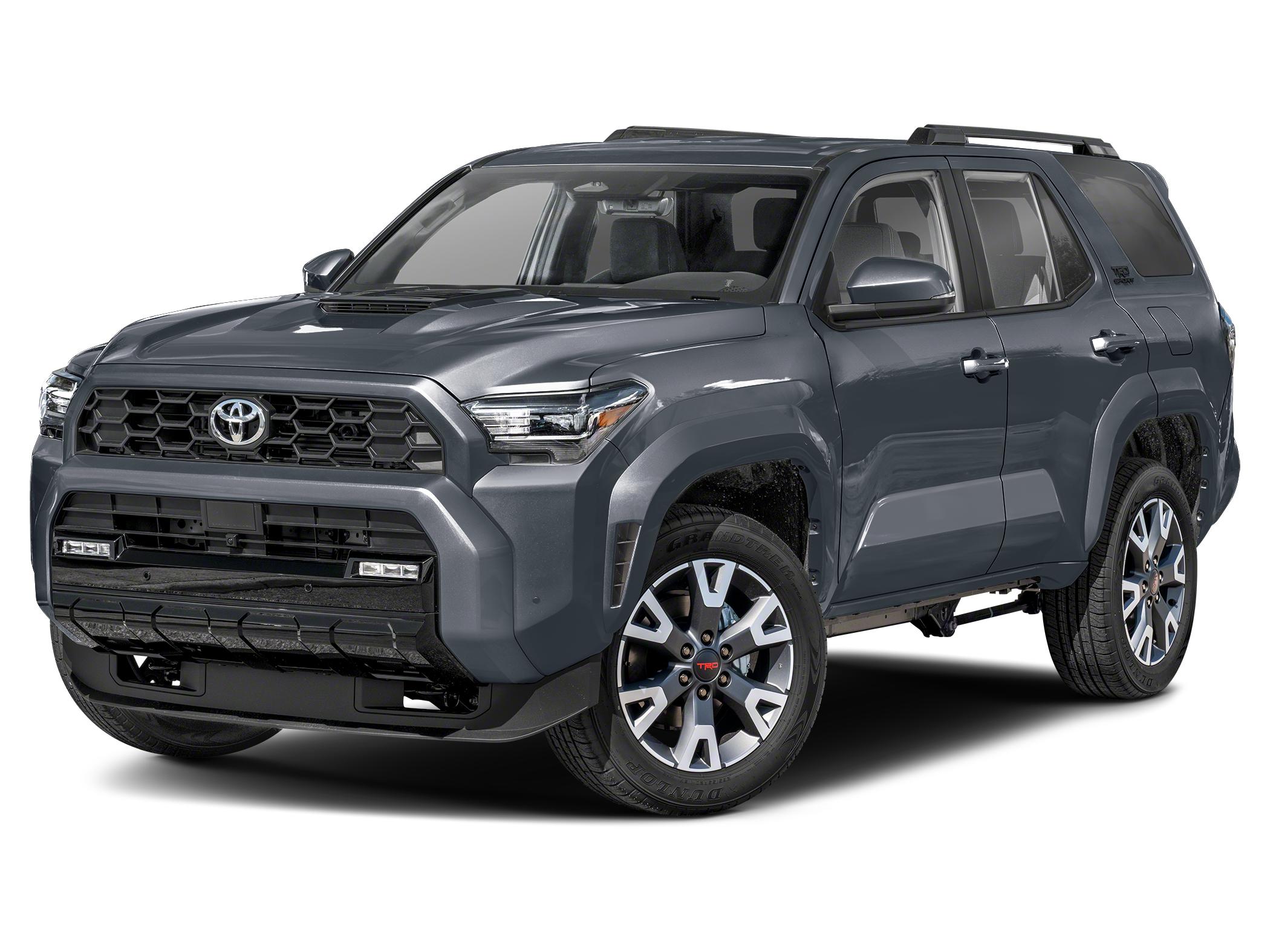
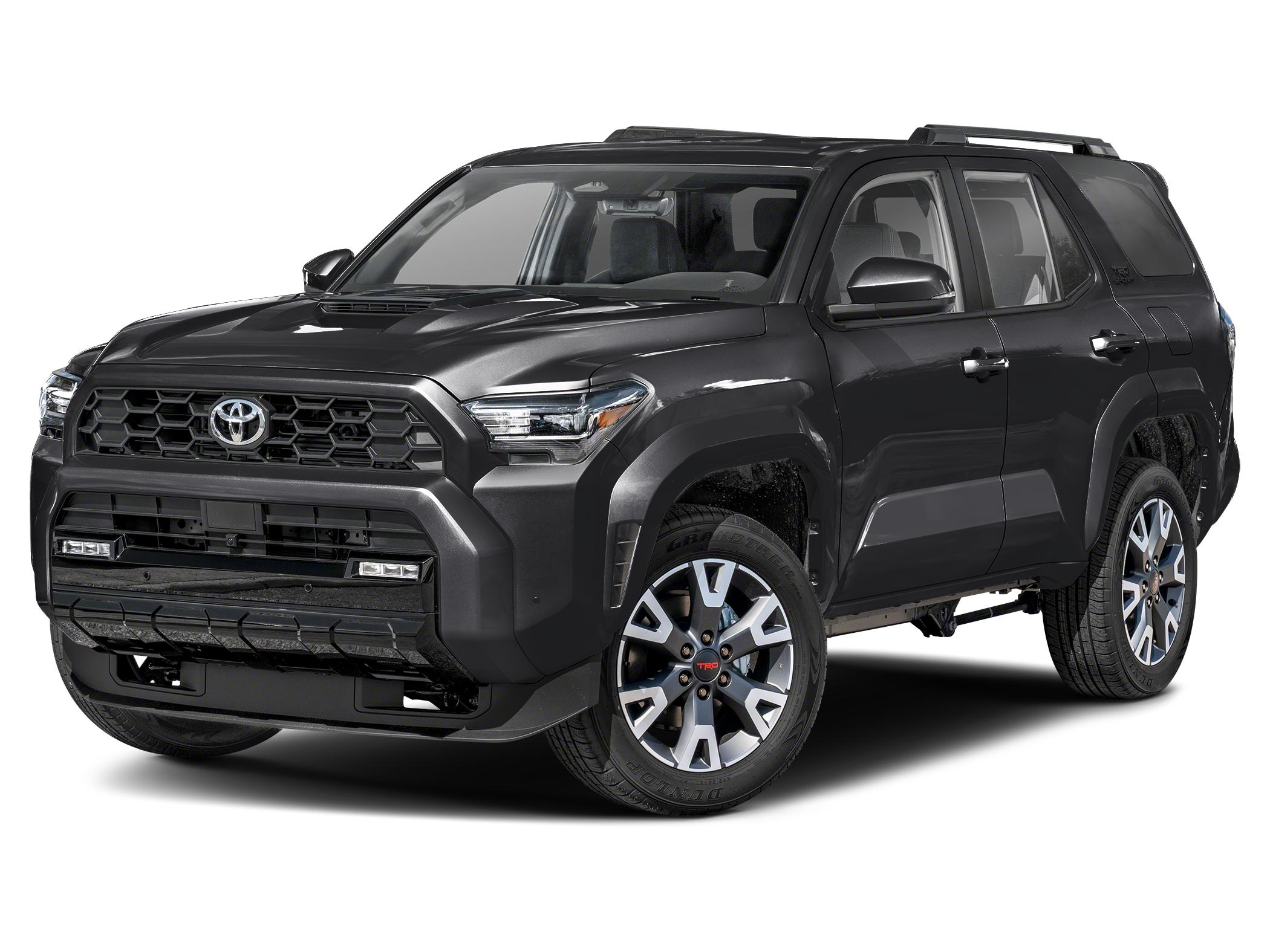
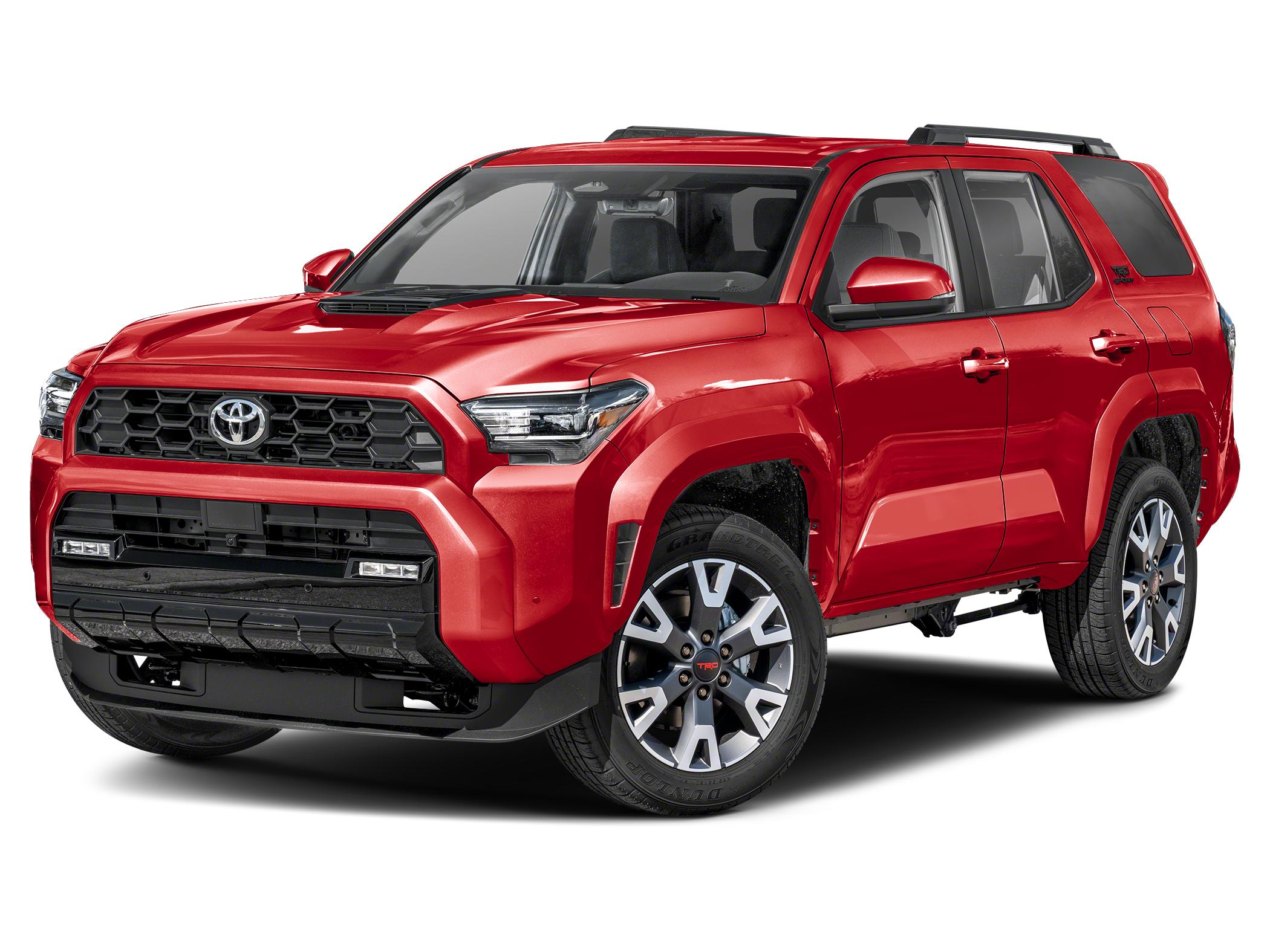
4Runner TRD Sport
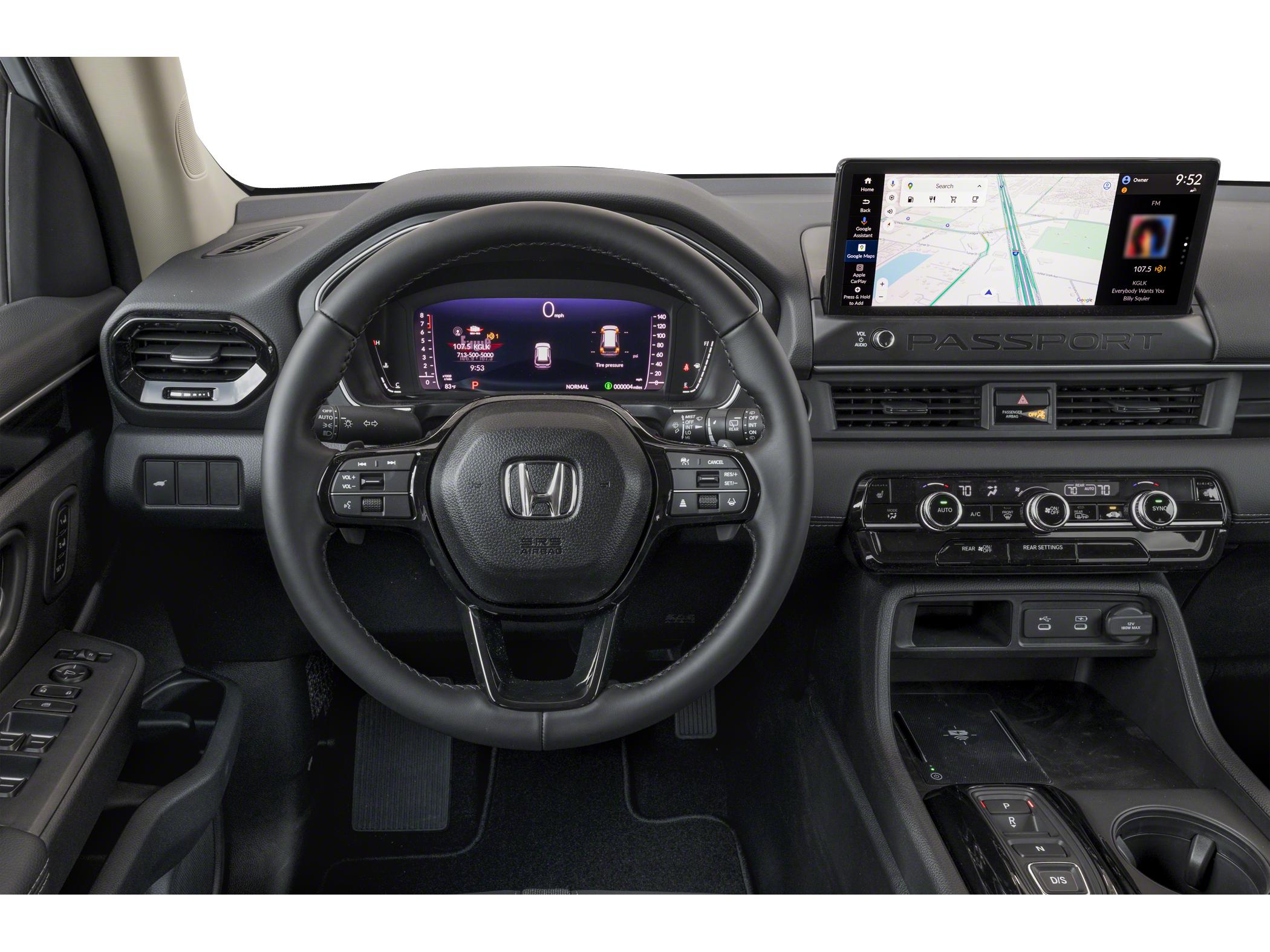
Passport TrailSport
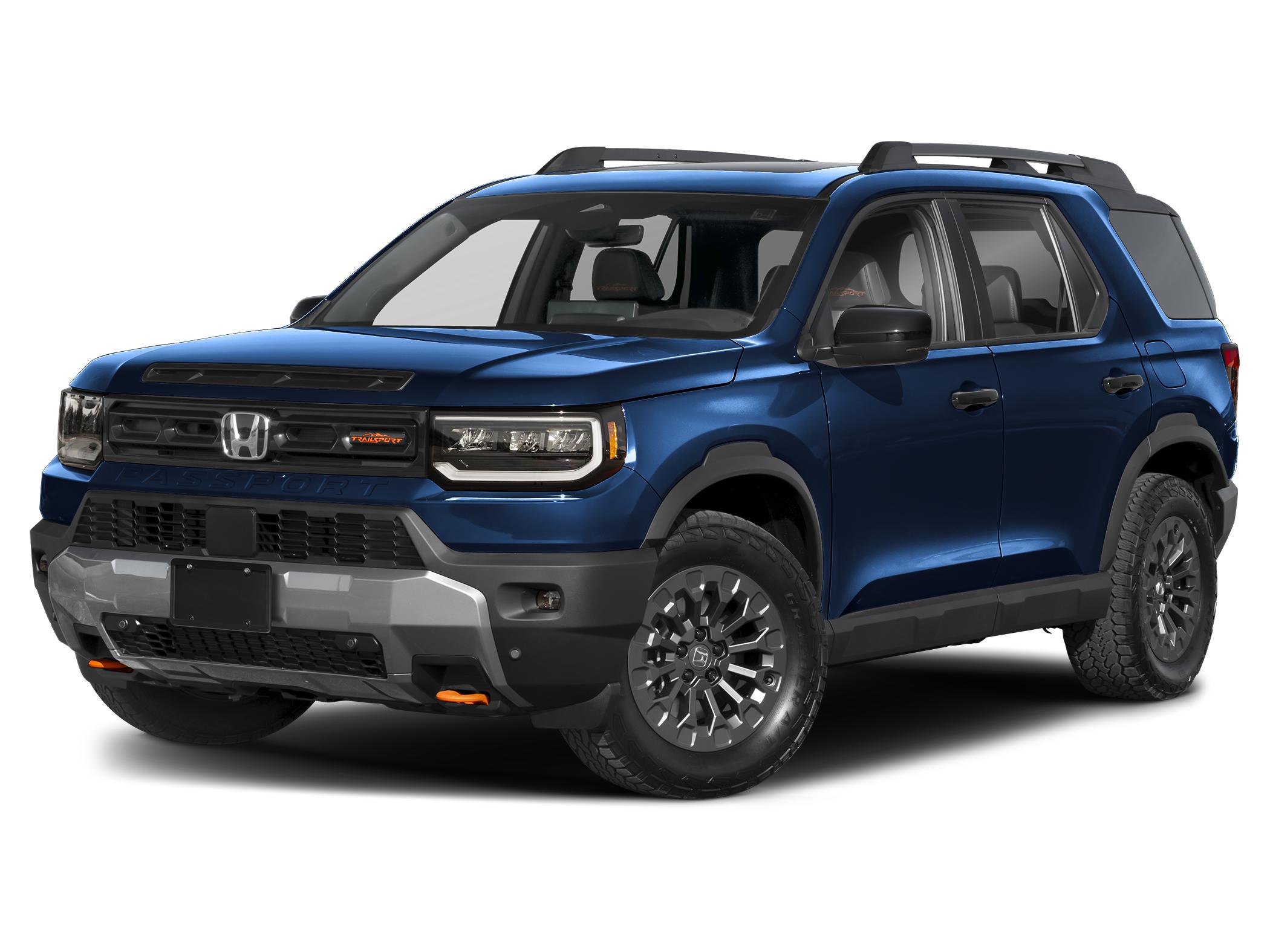
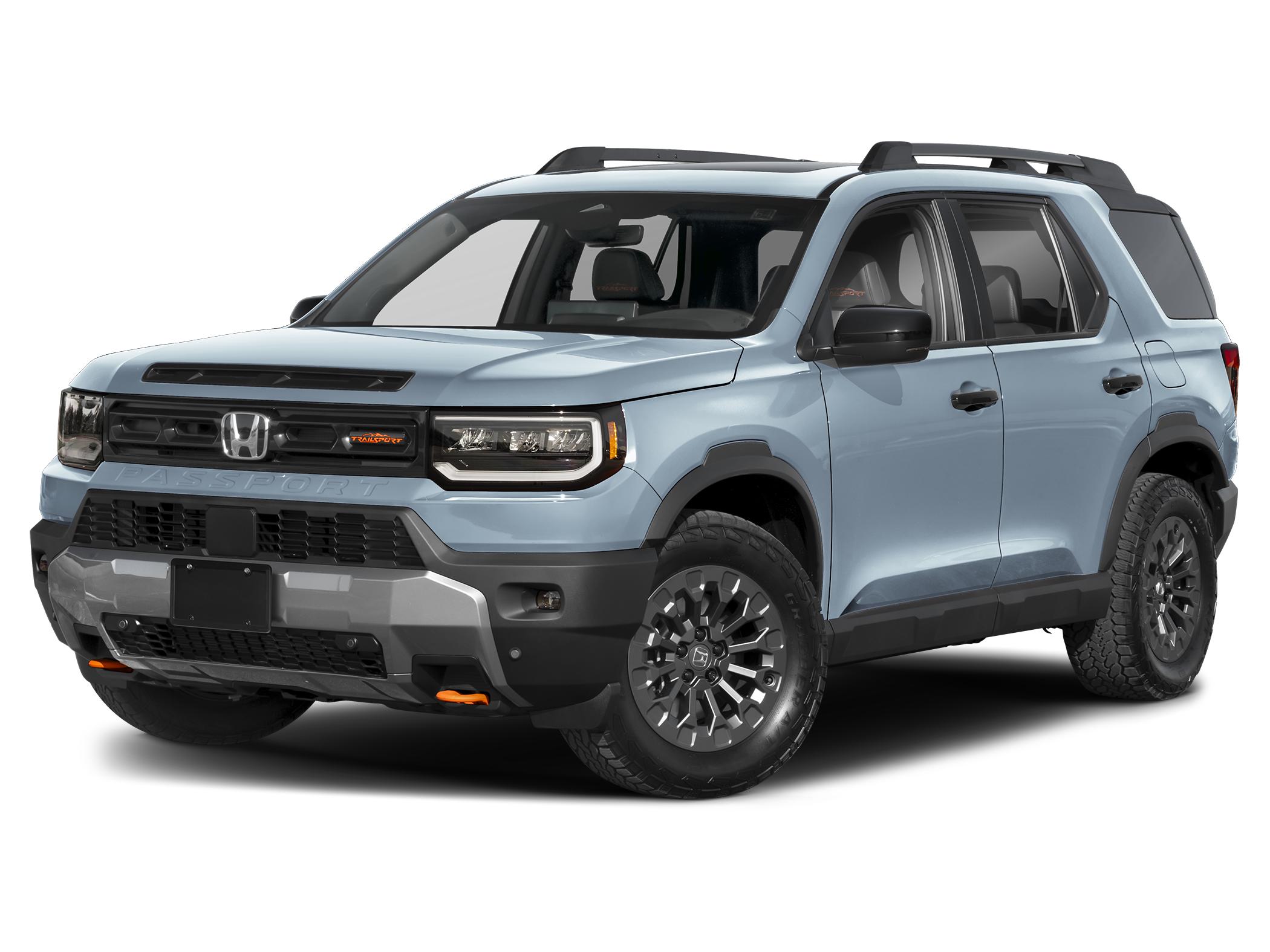
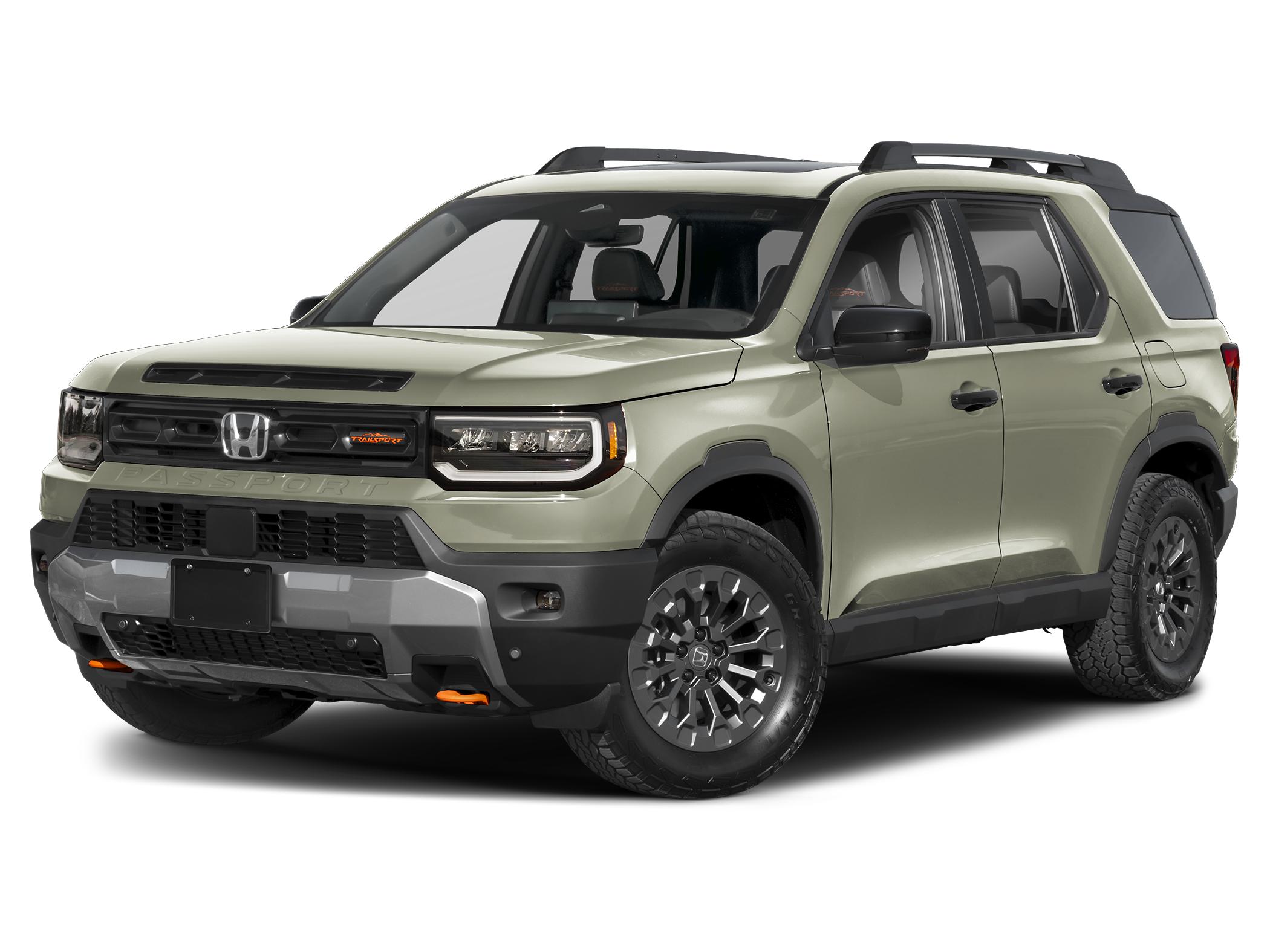
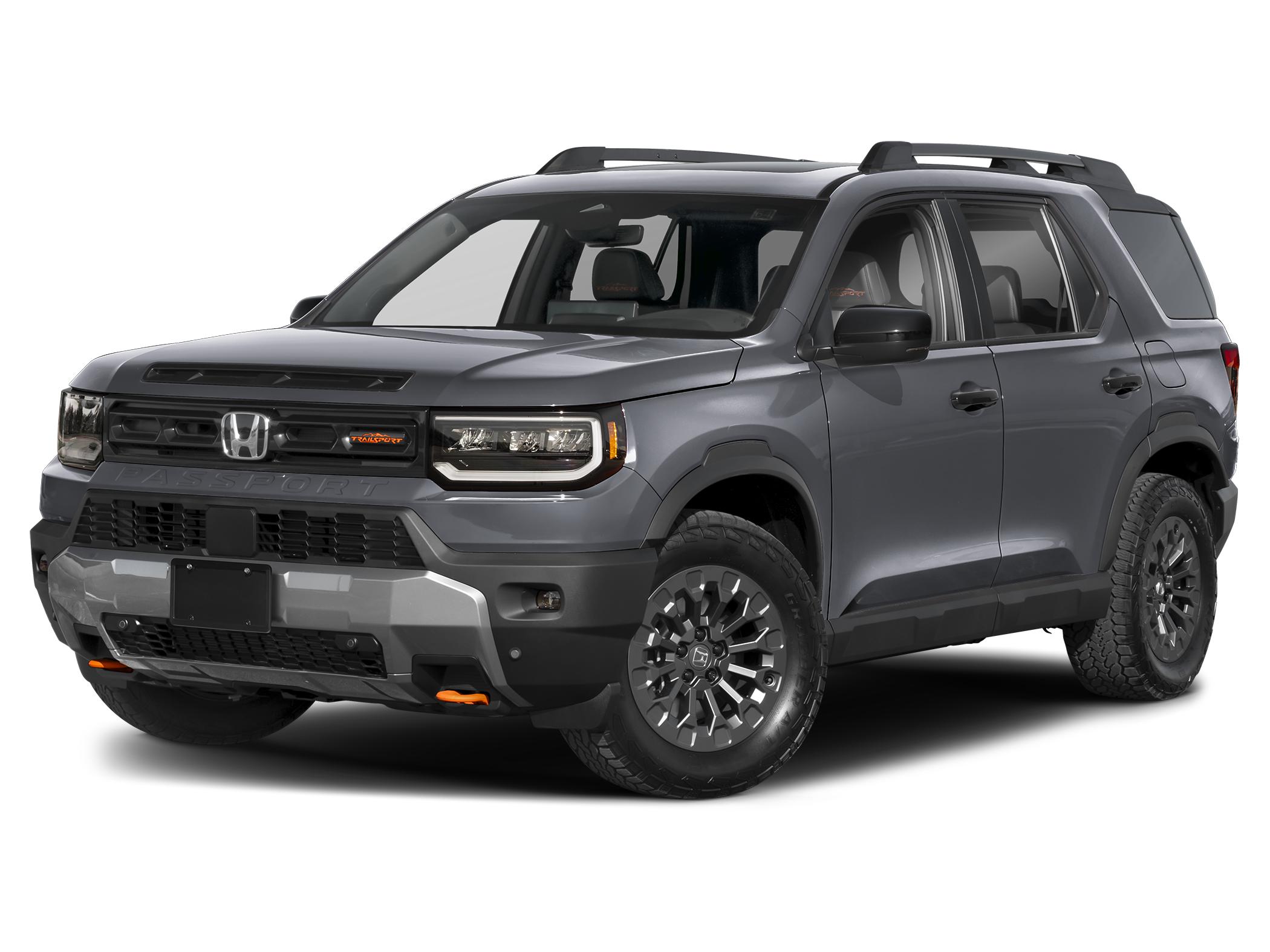
4Runner TRD Sport
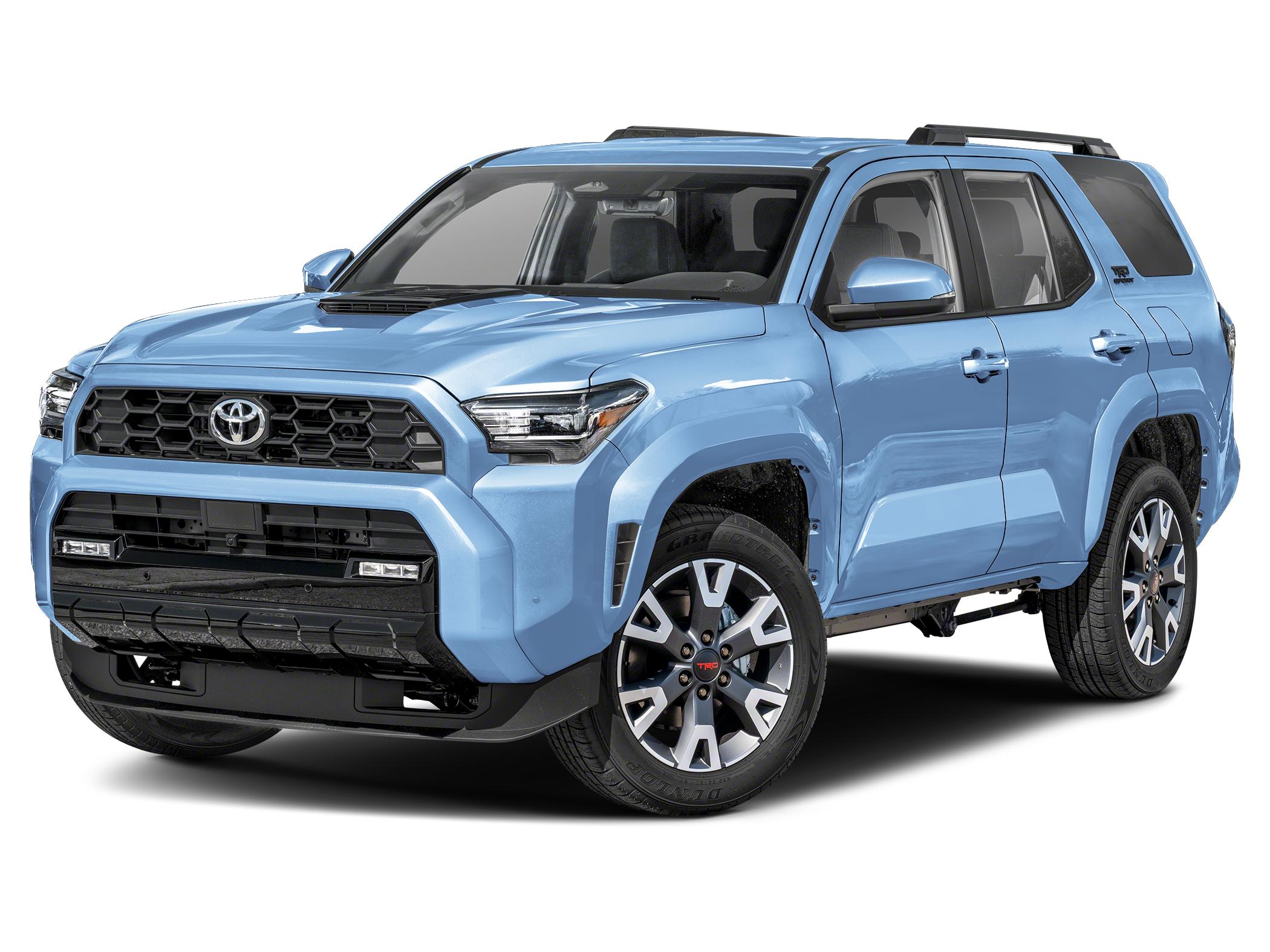
The bottom line
Passport TrailSport
If you're shopping the Passport, the Passport TrailSport is the fit this site recommends — the two are closely matched on cabin & comfort, price & value and performance; the 4Runner TRD Sport leads on fuel economy and cargo & daily use, so choose it if those matter most.
What could change this: If better fuel economy and lower running costs matters most, the 4Runner TRD Sport is the better fit.
On verified numbers, the TRD Sport leads in torque, combined mpg, and cargo volume.
The full picture
By the numbers
These are the figures most shoppers weigh first — price, power, efficiency, and room — with the full specification table below.
| Specification | Passport TrailSport | 4Runner TRD Sport |
|---|---|---|
| Starting MSRP | $48,650 | $48,750 |
| Horsepower | 285 hp | 278 hp |
| Torque | 262 lb-ft | 317 lb-ft |
| Combined MPG | 20 mpg | 22 mpg |
| City MPG | 18 mpg | 20 mpg |
| Highway MPG | 23 mpg | 26 mpg |
| Max cargo — behind 1st row, seats folded | 83.8 cu ft | 90.2 cu ft |
| Seating | 5 | 5 |
| Drivetrain | All Wheel Drive | Rear Wheel Drive |
| Transmission | 10-Speed Automatic | 8-Speed Automatic |
Make the call
Best for:
Best for:
Good to know
The questions shoppers ask most when weighing these two — answered with the verified facts.
Value comes down to the details. The TrailSport and TRD Sport are closely matched on price: $48,650 vs $48,750. Weigh the standard equipment each includes, their fuel economy, and the features you'll genuinely use. Cross-shop comparably equipped trims and let local incentives settle it.
"Nicer every day" is about the things you touch on every drive — the seats, the controls, and the screen. Comfort is personal, though: seat shape, driving position, and how intuitive the controls feel to you matter more than any feature list. Spend ten minutes in each on a route like your real commute — that test drive will tell you more about daily livability than any spec comparison.
Yes — a few things worth knowing before you decide. The 4Runner TRD Sport brings stronger fuel economy that the Passport TrailSport doesn't match in this pairing. None of these automatically make it the better car for you, but if any one lines up with how you drive, it's a genuine reason to give the TRD Sport a serious look. Weigh those advantages against where the TrailSport leads — and the verdict above — rather than treating any single feature as the whole decision.
High annual mileage puts the spotlight on running costs, and that's mostly about fuel. Here, the 4Runner TRD Sport returns the better EPA-estimated economy (22 mpg combined) — over 15,000 miles a year that adds up to noticeably fewer fill-ups and real money saved versus the alternative. Beyond fuel, a high-mileage driver should weigh seat comfort for all those hours and each model's reliability record — worth checking current ratings for the specific trims, since it matters most when you're piling on miles. If your year is mostly highway commuting, lean toward the more efficient, more comfortable choice; the small differences compound over 15,000 miles in a way they wouldn't for a light-use second car.
On space, expect more cargo room in the 4Runner TRD Sport. Interior preference is partly personal — dashboard layout, seat shape, and where the controls fall all factor in — so the best test is to sit in both. If a richer, more feature-laden cabin matters to you, compare the specific trims' option packages directly; if you mainly want a comfortable, sensibly-arranged space, either will serve you well day to day.
For most shoppers, the right pick follows your priorities rather than a single score. If running costs lead, the 4Runner TRD Sport's efficiency is the draw. Use the verdict above as the starting recommendation, then confirm it with a back-to-back test drive of the exact trims you're considering.
Find local inventory, pricing, incentives, and available trims near you.
Updated inventory from local dealers.